Epigenetic Reader Domain
Epigenetic regulators of gene expression and chromatin state include so-called writers, erasers, and readers of chromatin modifications.Well-characterized examples of reader domains include bromodomains typically binding acetyllysine and chromatin organization modifier (chromo), malignant brain tumor (MBT), plant homeodomain (PHD), and Tudor domains generally associating with methyllysine. Research on epigenetic readers has been tremendously influenced by the discovery of selective inhibitors targeting the bromodomain and extraterminal motif (BET) family of acetyl-lysine readers. The human genome encodes 46 proteins containing 61 bromodomains clustered into eight families. Distinct experimental approaches are used to identify the first BET inhibitors, GSK 525762A and (+)-JQ-1.
The Polycomb group (PcG) protein, enhancer of zeste homologue 2 (EZH2), has an essential role in promoting histone H3 lysine 27 trimethylation (H3K27me3) and epigenetic gene silencing. This function of EZH2 is important for cell proliferation and inhibition of cell differentiation, and is implicated in cancer progression. Cyclin-dependent kinases regulate epigenetic gene silencing through phosphorylation of EZH2. In many types of cancers including lymphomas and leukemia, EZH2 is postulated to exert its oncogenic effects via aberrant histone and DNA methylation, causing silencing of tumor suppressor genes.
p300/CBP is not only a transcriptional adaptor but also a histone acetyltransferase.
Epigenetic Reader Domain Isoform Specific Products
-
Epigenetic Reader Domain
(442)
View all products
-
Brd
(3)
View all products
-
BRPF1
(9)
View all products
-
BRPF2
(5)
View all products
-
BRPF3
(2)
View all products
-
BRD2
(61)
View all products
-
BRD3
(57)
View all products
-
BRD4
(285)
View all products
-
BRDT
(26)
View all products
-
CECR2
(4)
View all products
-
BD1
(9)
View all products
-
BD2
(9)
View all products
-
BRD7
(9)
View all products
-
BRD9
(54)
View all products
-
BET
(21)
View all products
-
BAZ
(1)
View all products
All Product Categories
-
Epigenetic Reader Domain Inhibitors
(590)
View all products
-
Epigenetic Reader Domain Agonists
(3)
View all products
-
Epigenetic Reader Domain Antagonists
(2)
View all products
-
Epigenetic Reader Domain Activators
(10)
View all products
-
Epigenetic Reader Domain Modulators
(3)
View all products
-
Epigenetic Reader Domain Chemicals
(2)
View all products
-
Epigenetic Reader Domain Inducer
(1)
View all products
-
Epigenetic Reader Domain Degraders
(157)
View all products
-
Epigenetic Reader Domain Controls
(12)
View all products
-
Epigenetic Reader Domain Substrate
(1)
View all products
-
Epigenetic Reader Domain Ligands
(26)
View all products
-
Epigenetic Reader Domain Related Products (884)
Related Products (884)

-
Antibodies (109)
-
Epigenetic Reader Domain Isoform Comparison
-
MI-2-2
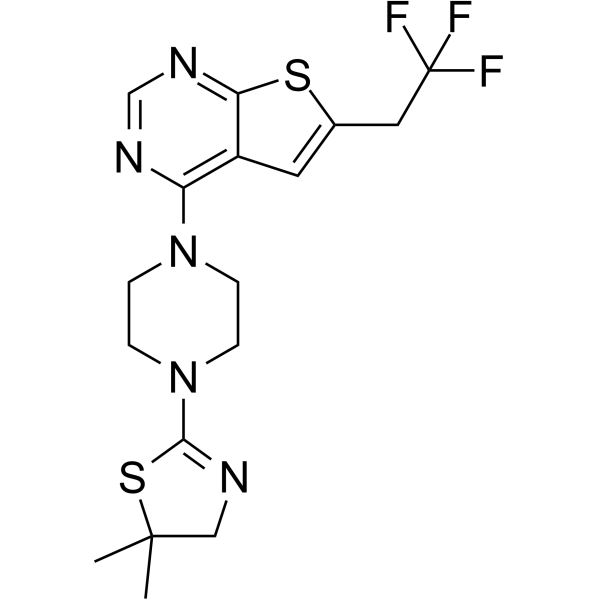 0 ImagesMI-2-2 is a potent menin-MLL inhibitor. MI-2-2 binds to menin with low nanomolar affinity (Kd=22nM) and very effectively disrupts the bivalent protein-protein interaction between menin and MLL. MI-2-2 has specific and very pronounced activity in MLL leukemia cells, including inhibition of cell proliferation, down-regulation of Hoxa9 expression, and differentiation.
-
SGC-iMLLT
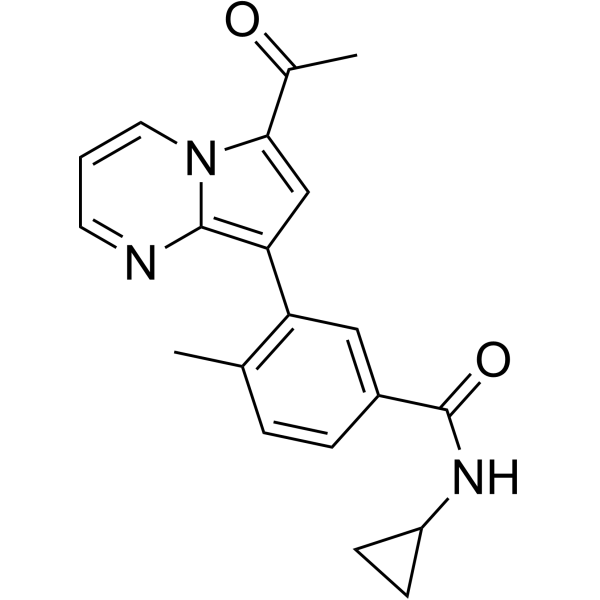
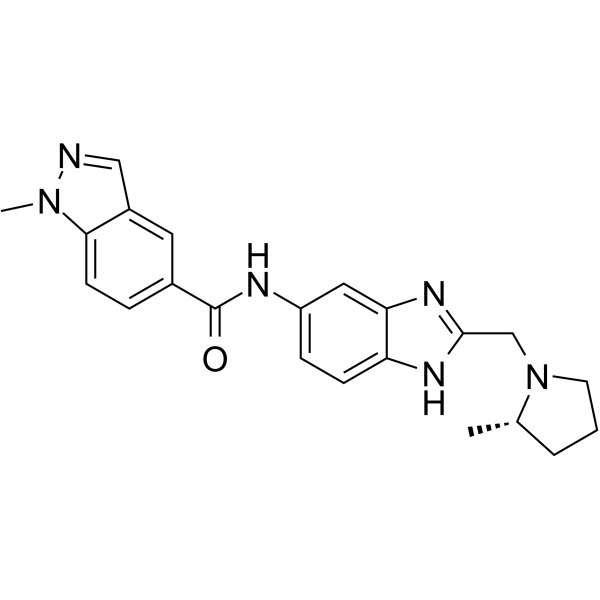 0 ImagesSGC-iMLLT is a first-in-class chemical probe and a potent, selective inhibitor of MLLT1/3-histone interactions with an IC50 of 0.26 μM. SGC-iMLLT shows high binding activity towards MLLT1 YEATS domain (YD) and MLLT3 YD (AF9/YEATS3) with Kds of 0.129 and 0.077 μM, respectively.
-
NI-57
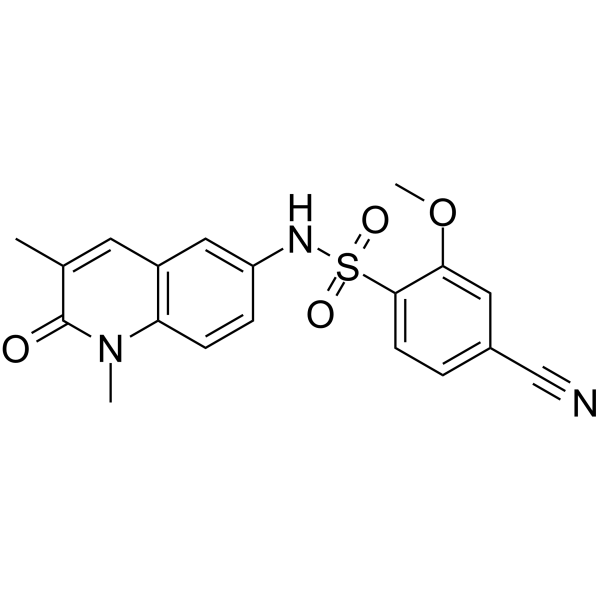 0 ImagesNI-57, a chemical probe, is an inhibitor of bromodomain and plant homeodomain finger-containing (BRPF) famlily of proteins, with IC50s of 3.1, 46 and 140 nM for BRPF1, BRPF2 (BRD1) and BRPF3, respectively.
-
PFI-1
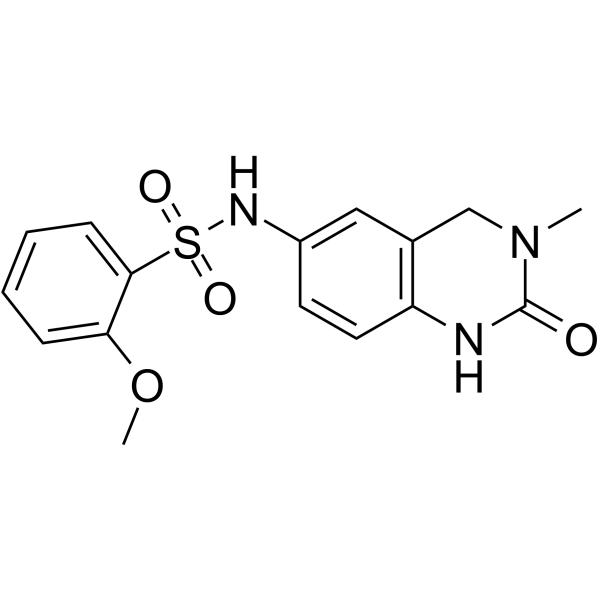 0 ImagesPFI-1, a chemical probe, is a selective BET (bromodomain-containing protein) inhibitor for BRD4 with IC50 of 0.22 μM in a cell-free assay.
-
OF-1
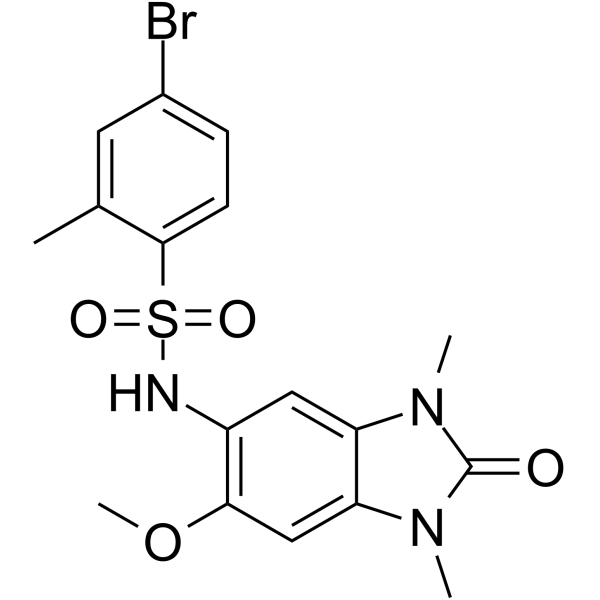 0 ImagesOF-1, a chemical probe, is a potent pan-BRPF bromodomain (BRD) inhibitor, with IC50 values of 270 nM, 1.2 μM for TRIM24 and BRPF1B, respectively.
-
IBG3
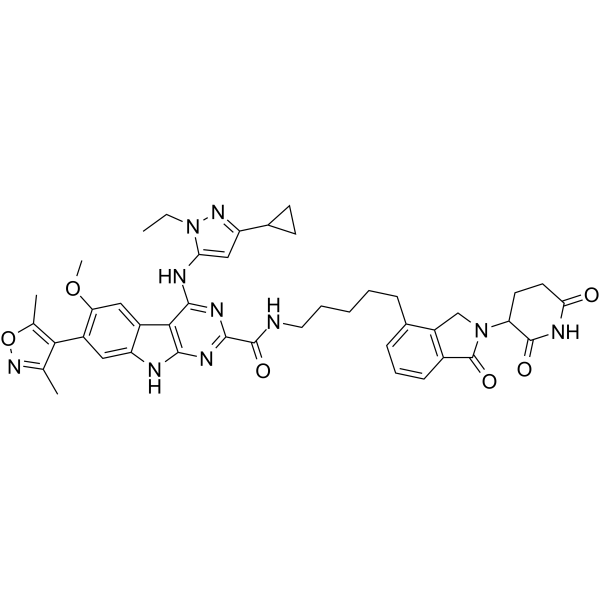
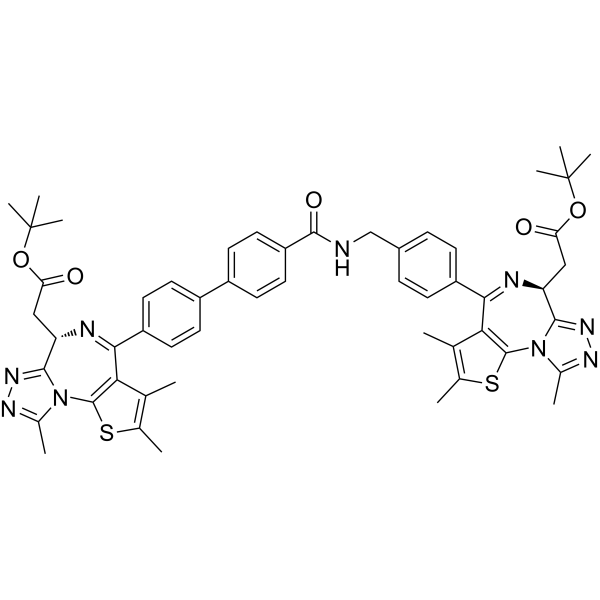 0 ImagesCat. No.: HY-160528Purity: 98.53%IBG3 is a Molecular glue degrader targeting BRD2 and BRD4, with DC50 values of 8.6 pM and 6.7 pM, respectively. IBG3 binds simultaneously to the tandem bromodomains of BRD2/BRD4, induces intramolecular conformational changes, enhances the affinity of BRD2/BRD4 for DCAF16, and promotes ubiquitination and degradation. IBG3 is applicable to the research of chronic myeloid leukemia.
-
GSK1324726A
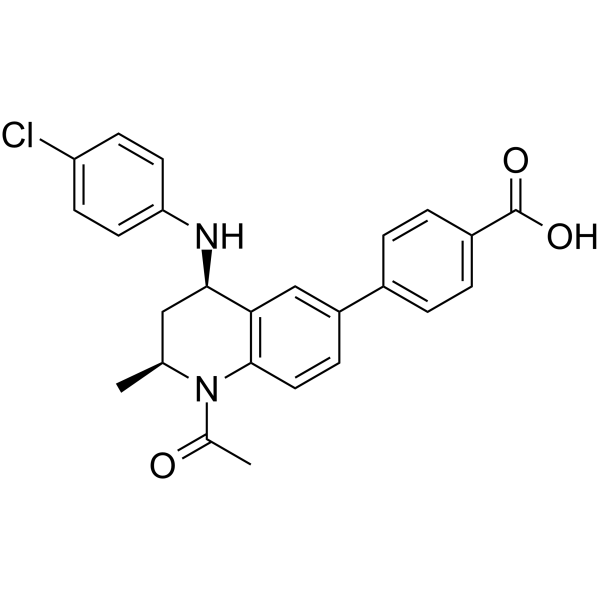 0 ImagesSynonyms: I-BET726GSK1324726A is a novel, potent, and selective inhibitor of BET proteins with high affinity to BRD2 (IC50=41 nM), BRD3 (IC50=31 nM), and BRD4 (IC50=22 nM).
-
MI-538
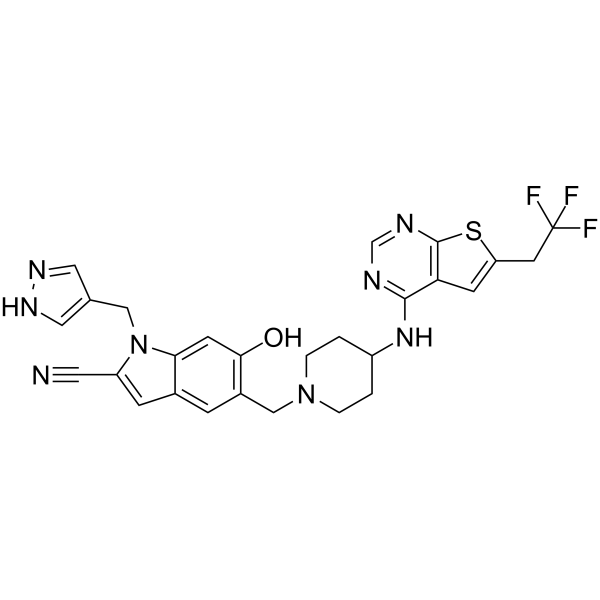 0 ImagesMI-538 is an inhibitor of the interaction between menin and MLL fusion proteins with an IC50 of 21 nM.
-
GSK-5959
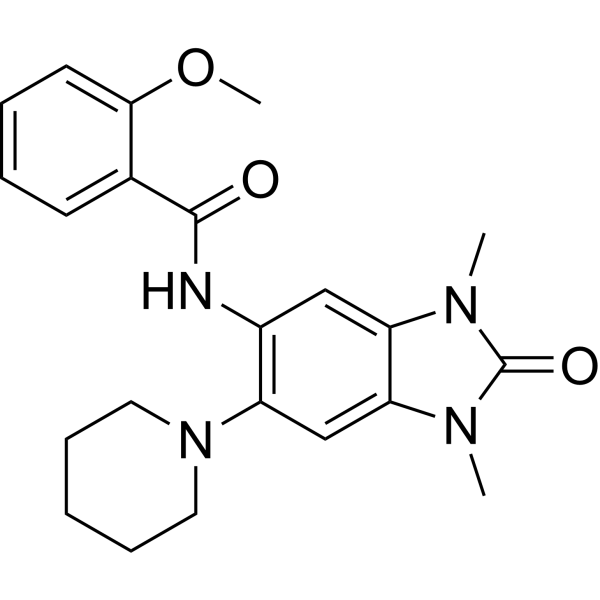 0 ImagesGSK-5959 is a potent, selective and cell permeable BRPF1 bromodomain inhibitor with an IC50 of ~ 80 nM.
-
GSK973
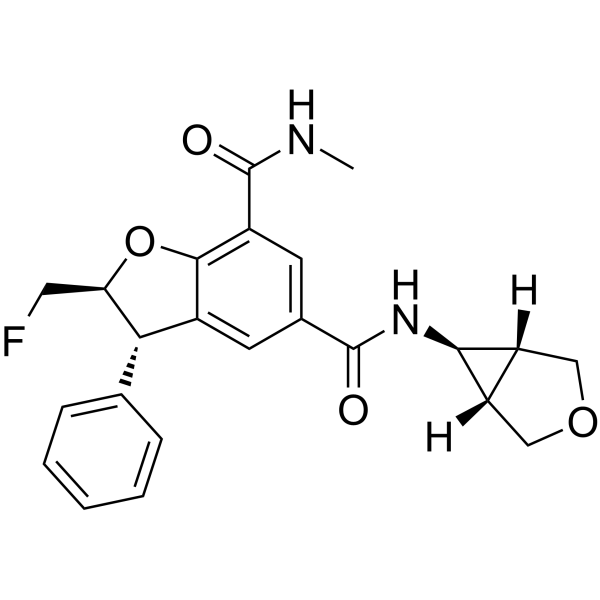 0 ImagesGSK973, a chemical probe, is a highly selective, orally bioavailable inhibitor of the BD2s (second bromodomains) of the BET family, with a pIC50 of 7.8 and a pKd of 8.7 for BRD4 BD2. GSK973 displays a 1600-fold selectivity for BRD4 BD2 over BRD4 BD1. GSK973 shows good potency against BRD2 BD2, BRD3 BD2, and BRDT BD2 (pIC50=7.4~7.8; pKd=8.3~8.5).
-
KMI169
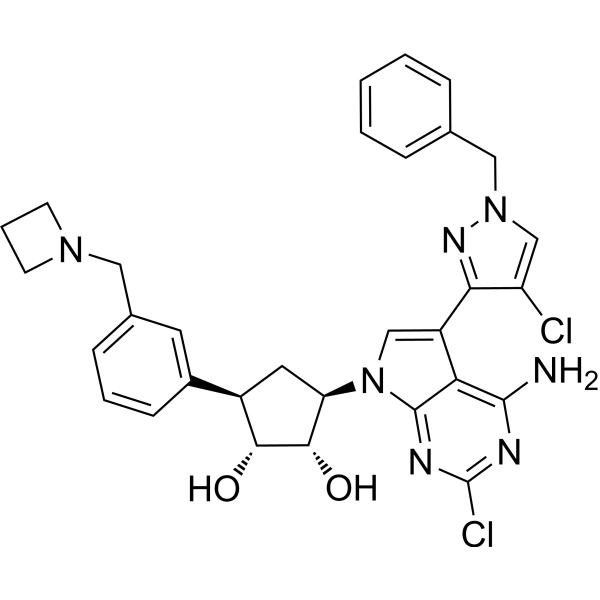 0 ImagesCat. No.: HY-157486Purity: 98.00%KMI169 is a potent and selective inhibitor targeting lysine methyl-transferase (KMT9) (IC50 = 0.05 μM, Kd = 0.025 μM). KMI169 functions as a bi-substrate inhibitor targeting the cofactor S-5’-adenosyl-L-methionine (SAM) and substrate binding pockets of KMT9. KMI169 can downregulate target genes involved in cell cycle regulation and impair proliferation of tumor cells by inhibiting KMT9. KMI169 is a valuable tool to probe cellular KMT9 functions and can be research for combating diseases including prostate, lung, colon, and invasive bladder cancer.
-
MS436
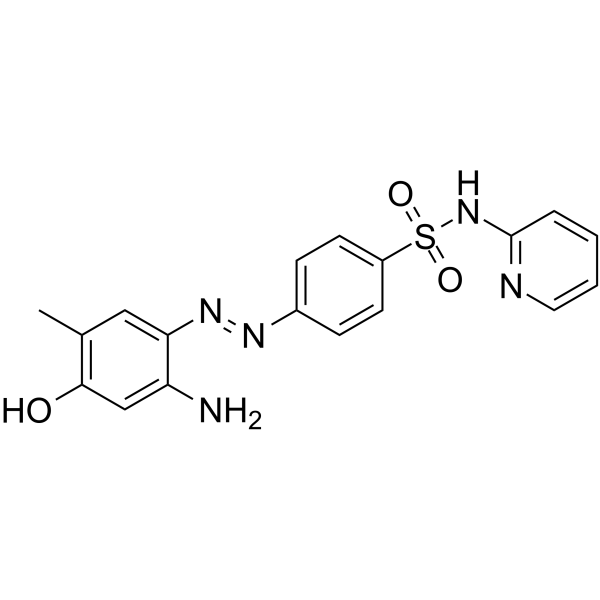 0 ImagesMS436 is a new class of bromodomain inhibitor, exhibits potent affinity of an estimated Ki=30-50 nM for the BRD4 BrD1 and a 10-fold selectivity over the BrD2.
-
VTP50469 fumarate
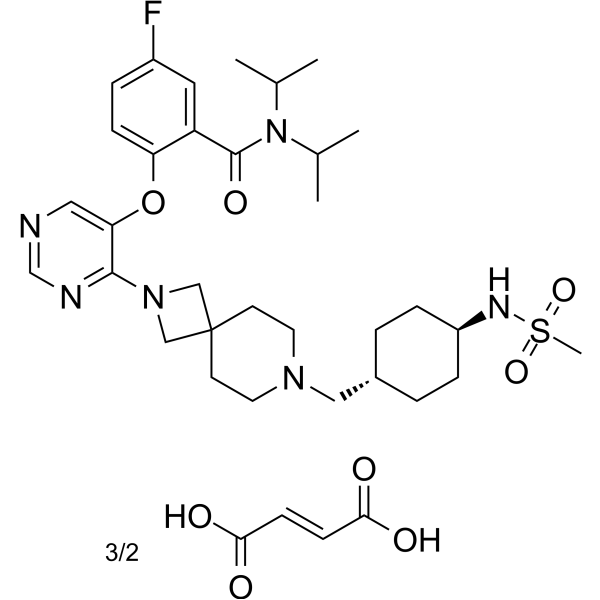 0 ImagesSynonyms: SNDX-50469 fumarateVTP50469 fumarate is a potent, highly selective and orally active Menin-MLL interaction inhibitor with a Ki of 104 pM. VTP50469 fumarate has potently anti-leukemia activity.
-
PBRM1-BD2-IN-5
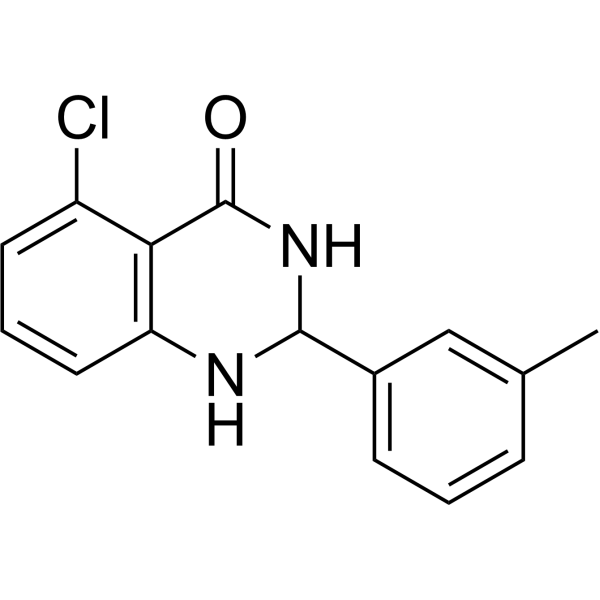 0 ImagesPBRM1-BD2-IN-5 is a potent PBRM1 Bromodomain inhibitor with Kd values of 1.5 μM and 3.9 μM for PBRM1-BD2 and PBRM1-BD5, respectively, and an IC50 value of 0.26 μM for PBRM1-BD2. PBRM1-BD2-IN-5 reduces the binding of full-length PBRM1 within the PBAF complex in cell lysates to acetylated histone peptide. PBRM1-BD2-IN-5 can be used to research anticancer.
-
INCB054329
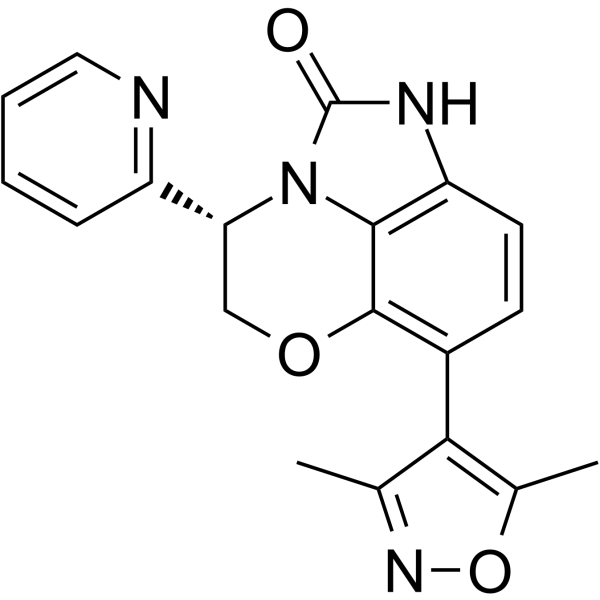 0 ImagesINCB054329 is a potent BET inhibitor.